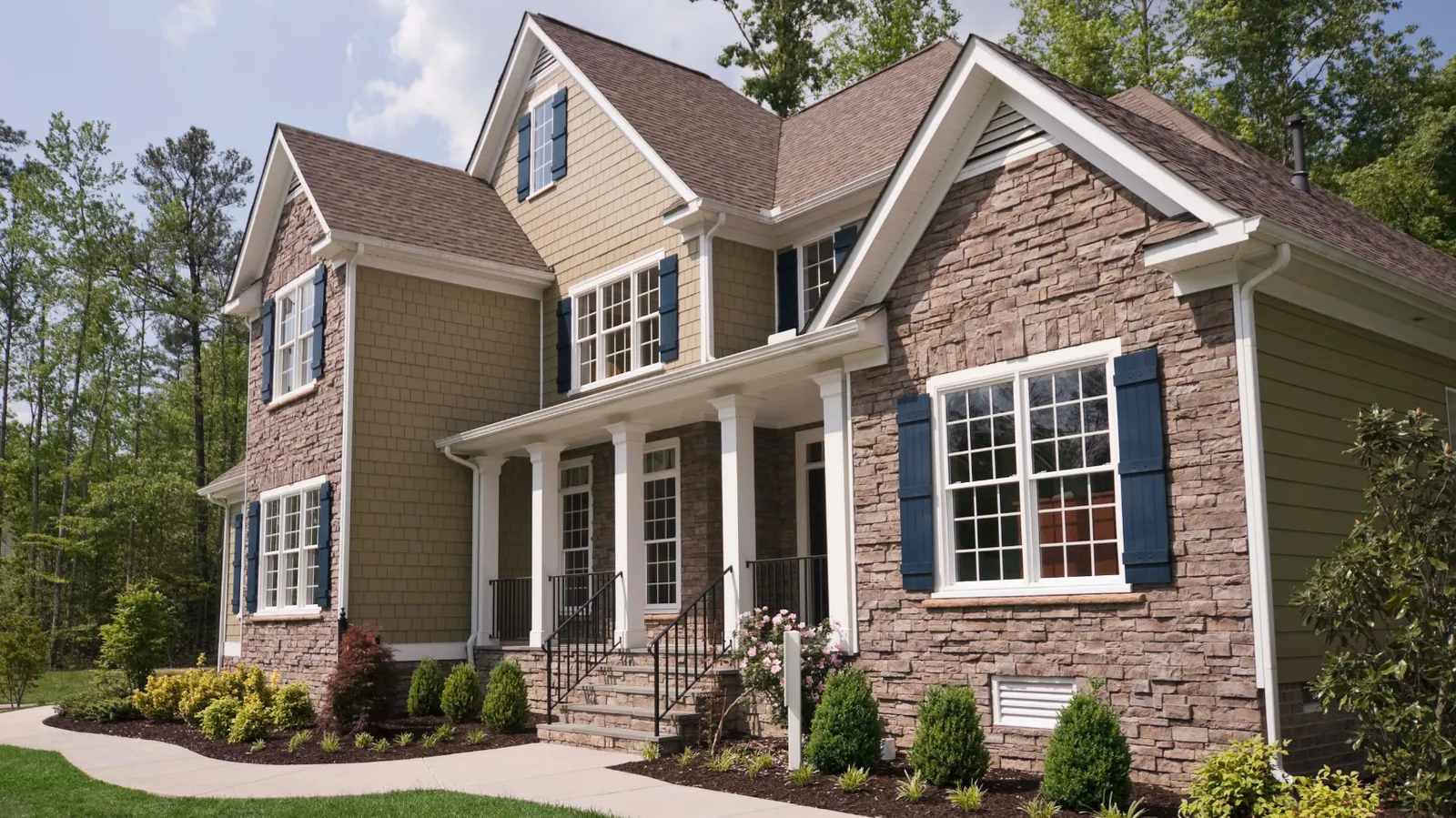
Roof Shingle Options in Crowley, TX
Roof shingle options for Crowley homes, and when the tougher grade is worth paying for.
Our roofers itemize both grades on one estimate, so what the upgrade costs is spelled out on paper before you've decided anything.
Shingle choices for Crowley houses
The shingle on your house right now is almost certainly laminated asphalt.
So the obvious move is to put the same thing back, and plenty of the time that is right. The real decision sitting in front of you isn't a style, though: impact rating runs on its own axis, separate from how a roof looks, and a shingle that reads as ordinary architectural from the curb can carry the top one. Ask Crowley Roofing Co which of the two your house argues for, and what each tier costs is set out on the price page.
Standard laminate against the tougher grade
Impact-rated shingles are the ones sold as Class 4. That rating comes out of a lab drop test and grades toughness only, so it is not one of the styles you choose between. Here's what moving up to one changes on your house, and what it leaves exactly where it was.
| The difference | Architectural laminate | Impact-rated (Class 4) |
|---|---|---|
| What it is | Two layers of asphalt shingle bonded together, giving the roof its depth and its shadow lines. | The same laminated shingle, built over a mat with rubber or reinforcement worked into it. |
| How it earns the name | No impact class. This is the default grade, and it is what a builder puts on. | It passed a test that drops a two inch steel ball from about twenty feet without the mat behind the surface cracking. Class 4 is the top of that scale. |
| Under hail | Bruises and sheds granules once stones reach about an inch across. | The rubberized mat gives under a hit instead of fracturing, and that is the one property the rating certifies. Big enough stones still do damage. |
| Years on the roof | Around twenty years is the planning figure for asphalt. | The same figure. No source puts extra years on an impact rating. |
| Looks and color | Every profile and color the line comes in. | The same choices. Toughness and appearance are two separate decisions. |
| With your insurer | Nothing to report at renewal. | A rated roof can change what a carrier charges. That call sits with your carrier and it moves with the policy. |
Around twenty years is a national planning figure for asphalt shingle and never a measurement of one particular roof.
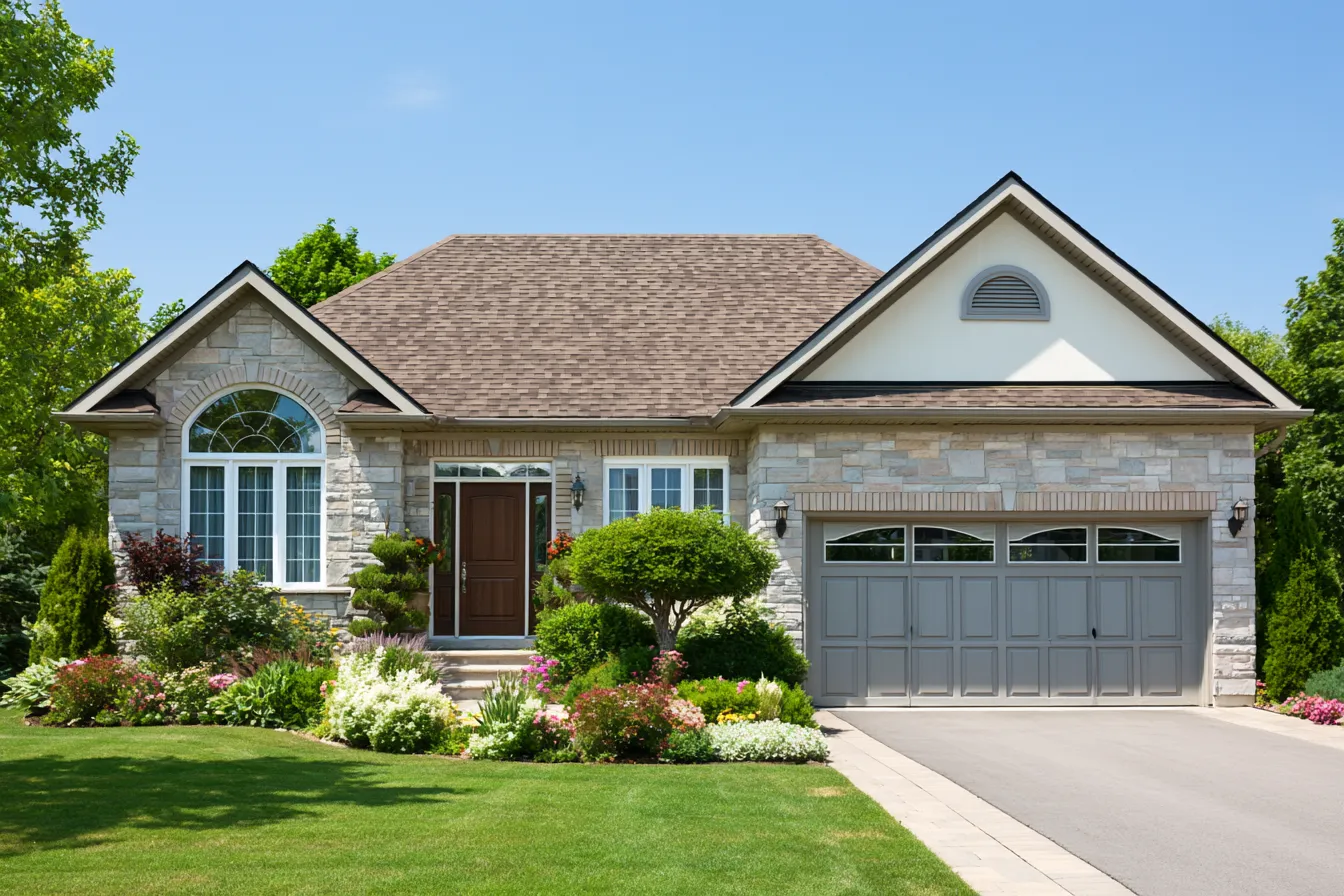
Where a lab rating stops meaning much
A Class 4 label is worth having on a roof in a hail county, and it answers a narrower question than most people assume it does. What it leaves open is what decides whether the upgrade pays on your house.
The ball is steel, the sky throws ice
The class comes off a bench test that drops a steel ball onto a shingle, while what lands on your roof is ice arriving at an angle with wind behind it.
Rated is not hail-proof
The test asks one question, whether the mat fractures, so a rated roof can still shed granules and still come out of a bad night with damage worth documenting.
It says nothing about wind
Impact and wind are graded separately on a shingle, and the last four years across Tarrant County peaked at 105 mph, a different force working on the same roof.
How an aging shingle announces itself
None of these show up on a particular day. A shingle roof wears out slowly enough that you'll usually notice the fourth one on this list before the first.
Dark patches through the color
Granules are the armor on a shingle, and where they have washed away the black mat underneath shows through in patches. Bare mat bakes in the sun and ages much faster than the surface around it.
Tab corners lifting off the course below
Asphalt dries and shrinks as it ages, and the edges are what curl up first. A lifted corner is also the handle a gust needs.
The south slope looks older than the rest
Sun does most of the aging on a roof, and the south-facing slope takes the worst of it. One slope running well ahead of the others is telling you the roof is going by heat, not by damage.
Last year's patch still stands out
New shingles laid beside weathered ones almost never match, because the old field has already faded and lost granules. A patch that still shows a year later is telling you how far the rest of the roof has aged.
Tabs stay lifted after a windy day
Every course is glued to the one below by a strip of adhesive that gives up with age. Once that seal is gone the shingles hang on nails alone, and they won't lie back down on their own.
Thin cracks across a shingle face
Old asphalt goes brittle and splits, and those cracks run across the face of a tab instead of radiating from any one impact point. A field cracking in several places won't hold a repair, because new shingles need something sound to bond to.
Grade questions from Tarrant County owners
These come up once both grades are sitting on the same estimate. The first one is nearly always about the rating itself.
See both grades priced on your roof
Send the age of the roof and the grade you're leaning toward, and your roofer prices both on the house you have, on your own clock, with nothing owed for the look.