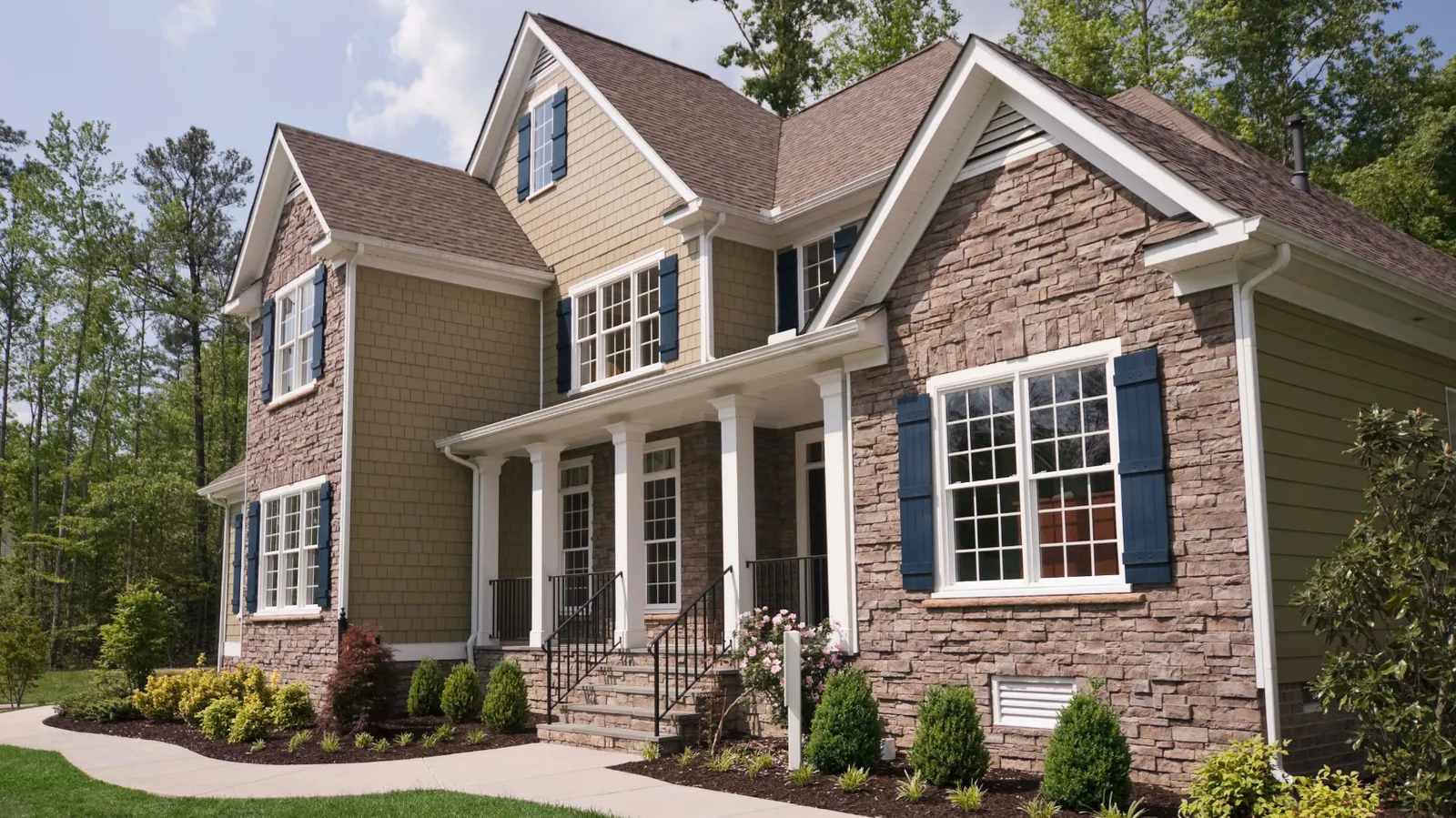
Asphalt Shingle Roofing in Crowley, TX
Asphalt shingle roofing in Crowley. What the deck underneath is doing matters as much as the shingle you pick.
Deck, underlayment, nailing and attic air decide whether shingles reach the years they're sold on. Our roofers write out every line.
What a Crowley asphalt shingle roof takes
You can put the money into a tougher shingle, or into the deck, the underlayment and the attic air that shingle has to live on. Only one of those shows up in a brochure.
The roofs on almost any street here aren't one age. Crowley grew about seventy percent through the 2000s and another forty through the 2010s, so the houses went up in waves, nearly all under asphalt shingle.
So the shingle isn't the variable. Nail placement is, and so is air: an attic that can't move it holds the shingle's underside hot long after the sun has left. Our roofers work out the vent area your attic needs, count what's already there, and the difference goes on the estimate as its own line. How the two grades compare is a different question.
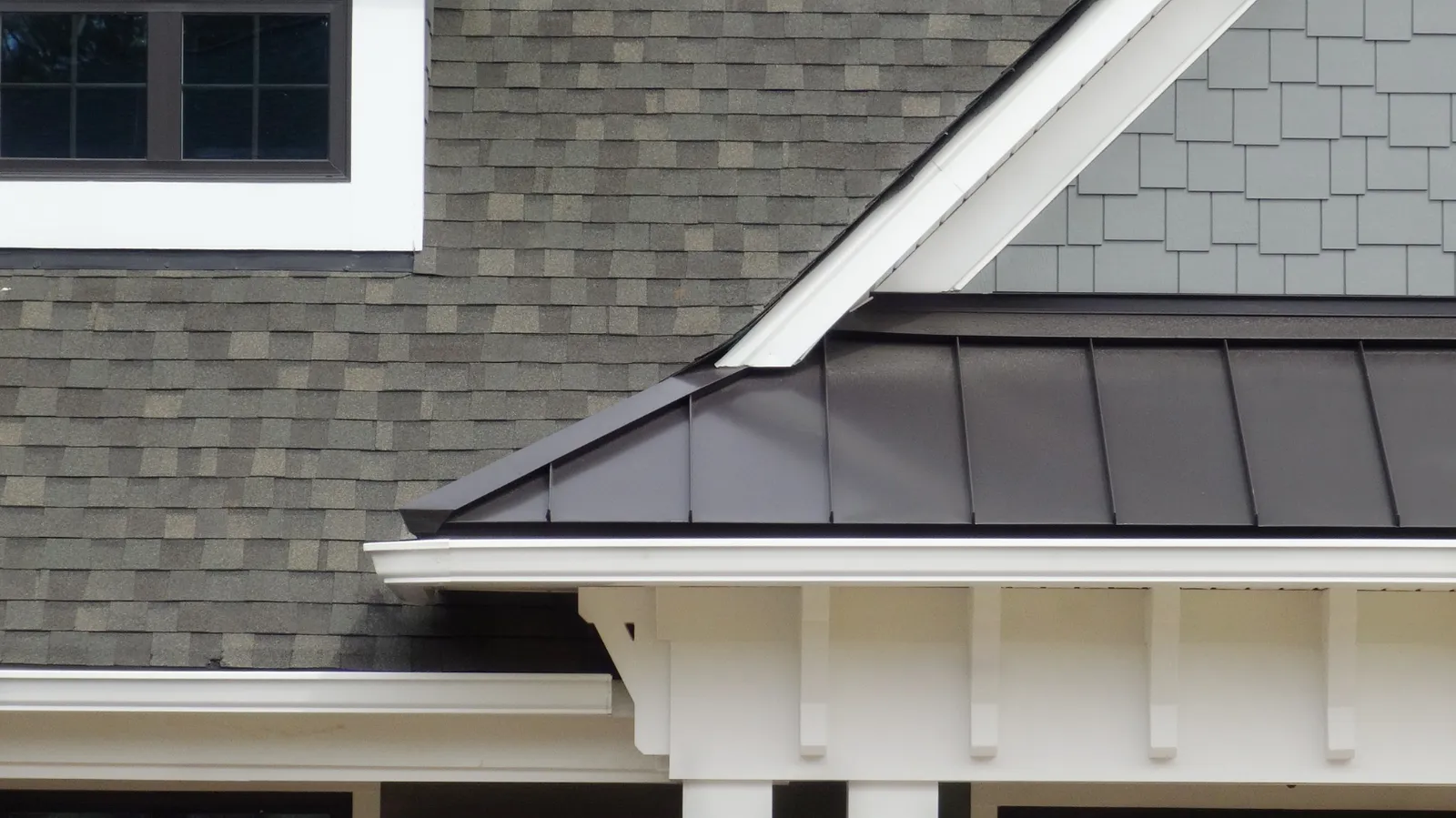
The deck made solid
Your roofer re-fastens loose sheathing first. Shingles hold only as well as that wood.
Underlayment across the deck
Synthetic sheet goes over the bare wood. It holds water out until shingles land.
Starter course at the edges
A sealed strip runs the eaves and rakes. Field shingles alone leave edges loose.
Nails in the marked strip
Every nail lands in the shingle's nailing zone. High ones let tabs slide later.
Attic air, measured first
Your roofer measures vent area against the attic floor. Guesswork shortens a new roof.
Cap shingles over the ridge
Purpose-made caps finish the peak. Field shingles cut up for it perform worse.
How Crowley weather ages asphalt
Heat and wind do most of the work on a shingle roof here. Both take years about it.
Ask when the roof went on
Shingles laid below about forty degrees may not seal until spring. Wind gets under them first.
Count the layers at the gable
A second layer traps heat and ages the new shingle faster. The gable edge shows it.
Check the sealant at a vent
Sun splits exposed sealant long before it wears shingle out. Any joint trusting caulk is temporary.
Notice which rooms stay hot
An attic with no through draft holds heat against the deck. Shingle ages from underneath too.
Look in the valley after rain
Leaves pack a valley and dam what should run off. Water backs under the courses above.
Spot nail heads out in the open
A face-nailed patch leaves heads with nothing over them. Sun and rain work on each one.
Deck, underlayment, shingle, ridge
A shingle roof goes on from the bottom up. Each course covers the nails of the one below.
Down to the plywood
Shingles, felt and old metal go in one load. Nothing stays on the sheathing.
Soft sheets come out first
Your roofer photographs the sheets that get replaced. The pictures come to you.
Everything under the shingle
Underlayment and drip edge cover the deck. From then on rain doesn't matter.
Courses, then vent and cap
Shingles start at the eave and work up. Vent and caps close the peak.
What separates the two grade prices
Both grades go over the same deck and take the same labor, so nearly all of the gap between them is the shingle itself, and the cost page carries everything else that moves a roof price. Architectural shingle sits at $450 to $690 per square, installed. The impact rated build of the same profile sits at $560 to $850, and the step buys a tougher mat, nothing else. Whether it earns that on your house turns on your carrier and how long you expect to be living under the roof, and the grade decision itself is worked through separately.
Architectural sits at the bottom of that range and impact rated at the top, both installed over the same deck. The spread assumes a 26-square roof, a planning size this math starts from before anyone measures your house.
National planning ranges, not a quote. Your roof sets the real number.
Asphalt questions before committing
Ventilation, warranty length and how long the work takes carry most of it. The rest is choice of shingle.
Price both Crowley shingle options
Ask what your attic venting needs, and the answer comes back with the rest of the scope priced beside it, yours to read before you answer anybody.